hugo bachega biography is a name that you might hear while watching international news on BBC. But who is Hugo Bachega really? Many people wonder where he comes from, how he became a journalist, and why his reporting feels so different from others. In this deep and engaging Hugo Bachega biography, we will explore his early life, career, reporting style, and more in a way that anyone can understand — even a young reader. Let’s take a journey into the life of this remarkable journalist.
Who Is Hugo Bachega?
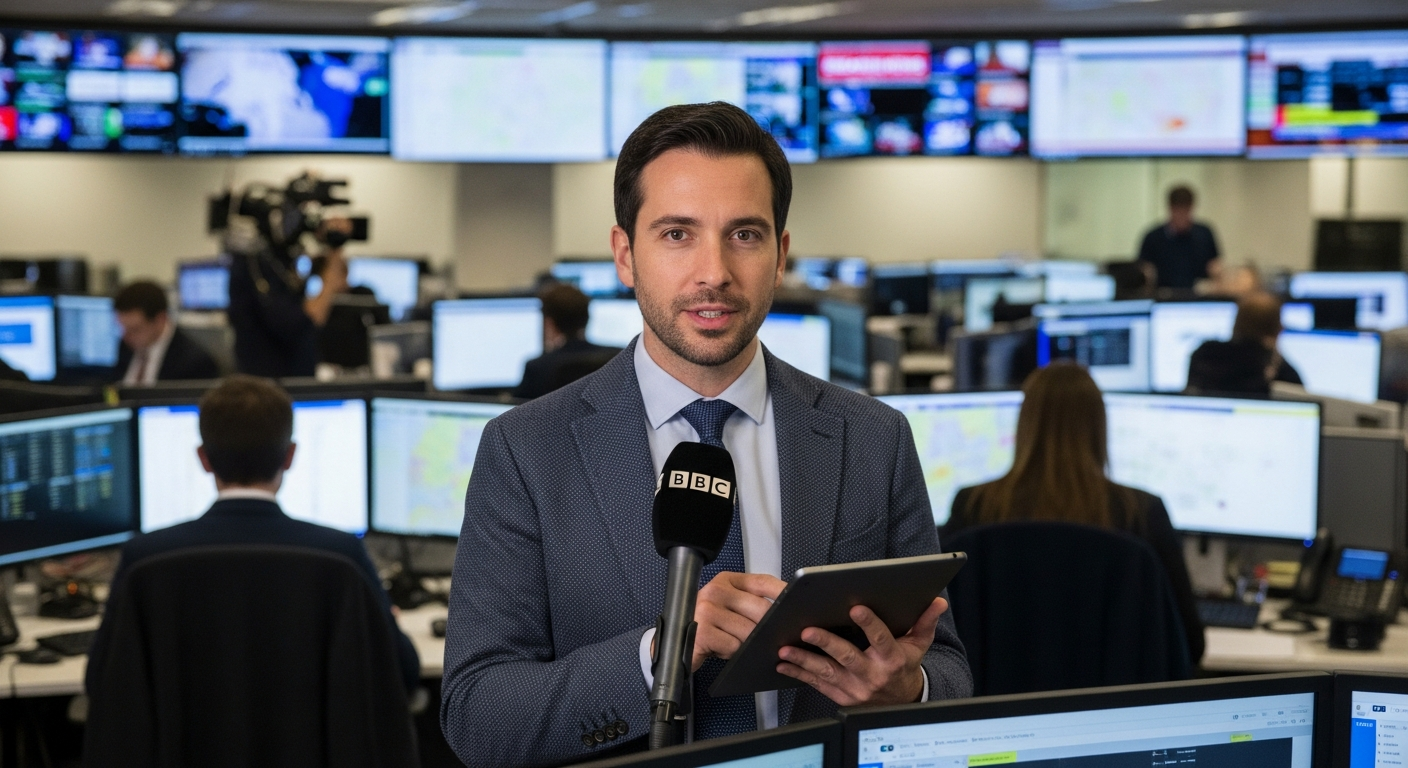
Hugo Bachega is a respected international journalist and foreign correspondent for BBC News. He reports on some of the most important stories around the world — from wars to humanitarian crises. People watching global news often recognize him for his calm voice, thoughtful reporting, and clear explanations of complex events.
As you read this Hugo Bachega biography, you’ll learn not just about his career, but also about the experiences and values that make him stand out in journalism today.
Early Life and Background of Hugo Bachega
Hugo Bachega was born in Brazil, likely in the large city of São Paulo, though exact details about his birth date or family remain private.
Growing up in Brazil gave Bachega a rich cultural and linguistic foundation. Portuguese was his first language, and his early experiences in a vibrant, multicultural society shaped how he sees and tells stories about people from all walks of life.
Even as a child, his interest in global events and storytelling began to grow. He wasn’t content to just hear the news — he wanted to understand it and share it with others.
Education and the Road to Journalism
While specific details about Hugo Bachega’s school and college are not widely known, it is widely believed that he studied subjects like journalism, communication, or international relations — areas that help journalists understand global politics and human stories.
Bachega’s education prepared him to think critically and communicate clearly — two skills every great reporter needs. These qualities helped him land his first major opportunity in journalism.
First Steps: Starting at Reuters
Hugo Bachega began his journalism journey with Reuters, a leading international news agency. He worked as a reporter in São Paulo, where he covered major local and national events.
Reuters gave him the first taste of fast-paced newsroom life. There, he reported on politics, economics, and stories that mattered to people in Brazil. This experience gave him important skills — facts, accuracy, and speed — that would help him later when reporting on the world’s biggest stories.
Joining the BBC and Rising Internationally
After his time with Reuters, Hugo Bachega joined BBC News, one of the most respected broadcasters in the world.
At the BBC, his focus shifted from national news in Brazil to international reporting. He began covering major events across continents. He became known for:
- Reporting from conflict zones
- Explaining complex global political issues
- Bringing human stories to life
His work took him to places most people learn about only through headlines — places like Ukraine, Gaza, and the Middle East.
Where Is Hugo Bachega Based Now?
Although Hugo Bachega’s roots are in Brazil, he is now based in the United Kingdom as a BBC correspondent. This means he lives and works from the UK while reporting from around the world.
Some sources report that Bachega may hold dual nationality — Brazilian and British — but no official confirmation has been published. It is clear, however, that he brings international perspective to all he does.
What Makes His Reporting Special?
One of the things that many viewers notice about Hugo Bachega is his voice and delivery. His reporting style is calm, clear, and easy to understand, even when the topic is difficult or emotional.
His accent blends elements of Brazilian Portuguese and polished global English. This makes his reporting stand out because it sounds familiar and comforting to international audiences.
Bachega doesn’t rush through stories. Instead, he explains the why behind the news. He focuses on people first — their lives, their struggles, and their hopes. Many people find his style simple yet powerful.
Hugo Bachega’s Major Reporting Assignments
Over the years, Hugo Bachega’s work has taken him to many significant world events. Here are a few highlights:
🔹 Ukraine Conflict
In 2022, during the Russia-Ukraine war, Hugo Bachega reported live from Kyiv as explosions occurred nearby. His calm response under pressure was praised by audiences around the world.
The moment became iconic because it reminded viewers of the real danger journalists face to bring truth to the public.
🔹 Middle East Coverage
Bachega has also spent significant time reporting from the Middle East — including places like Gaza, Lebanon, and Syria. In these regions, he covers wars, peace talks, humanitarian issues, and stories of families affected by conflict.
🔹 Human Interest Stories
Beyond politics and battles, Hugo Bachega often reports on human stories — everyday people whose lives are shaped by larger events. These stories help viewers relate to distant events with empathy and understanding.
Languages and Communication Skills
Hugo Bachega speaks Portuguese (his native language) and English fluently. Some reports suggest he may also use Spanish or basic Arabic during field reporting.
This language ability helps him connect with diverse communities and report stories more authentically.
Public Presence and Social Media
Hugo Bachega keeps his personal life private, but he shares snippets of his professional life through trusted online platforms like Twitter (X) and Instagram.
He uses these platforms responsibly, focusing on news updates, field reports, and context rather than personal life or gossip. His online presence reflects his commitment to journalism and maintaining credibility.
Accolades and Respect
Although specific awards for Hugo Bachega are not widely published online, his work has earned respect from peers and audiences alike. His reporting is regularly featured on major BBC news slots, which shows how much the network trusts his expertise.
Whether it’s a dangerous spot on the frontlines or a quiet conversation with a family, Bachega brings clarity, balance, and compassion to every report.
Why Hugo Bachega’s Story Matters
In a world full of headlines and fast news, Hugo Bachega stands out — not because he chases clickbait, but because he listens to stories that matter. His work reminds us that journalism is about people, not just events.
He represents a new kind of international journalist — one rooted in global thinking, cultural understanding, and real-world experience. His Hugo Bachega biography is not only about facts and figures but about a mindset that values truth above all.
FAQs
1. What nationality is Hugo Bachega?
Hugo Bachega is widely supported by credible sources to be Brazilian by birth and based in the UK as a BBC correspondent.
2. Where did Hugo Bachega start his career?
He started his journalism career with Reuters in Brazil.
3. What languages does Hugo Bachega speak?
He speaks Portuguese and English fluently, and may also use other languages in the field.
4. What makes Hugo Bachega’s reporting style unique?
His calm voice, clear delivery, and human-first focus make his reporting distinct and easy to understand.
5. Has Hugo Bachega reported from war zones?
Yes — he has reported from places like Ukraine and the Middle East, bringing firsthand coverage from conflict areas.
6. Is Hugo Bachega active on social media?
Yes — he shares professional updates on platforms like Twitter and Instagram.
Conclusion
The Hugo Bachega biography highlights more than a journalist’s journey — it shows what happens when curiosity meets courage. From Brazil to international stages, he has remained committed to truth, fairness, and understanding.
His story teaches us that journalism can bridge cultures and connect people. It’s not just about reporting events, but about sharing human experiences that shape our world.
If you’ve ever watched world news and felt confused, chances are Hugo Bachega’s reporting helped you understand it better. That’s the real power of a great journalist.
About the Author